Common Morse Code Mistakes and How to Fix Them
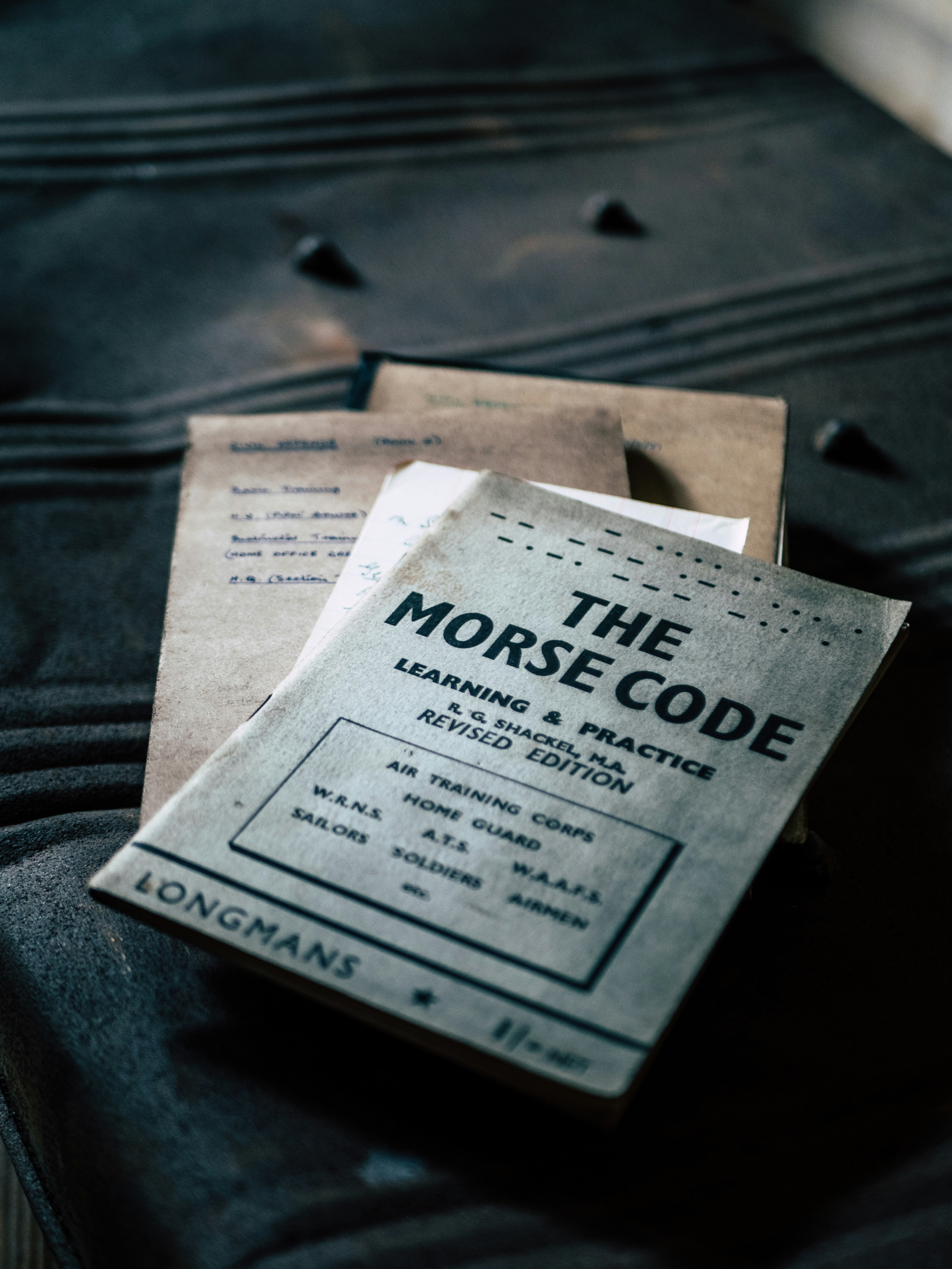
Many beginners think they are "bad at Morse" when the real issue is process. A few targeted adjustments can quickly improve accuracy, speed, and confidence.

1) Ignoring letter spacing
Correct symbols still fail if letter gaps are inconsistent. Practice short words in the translator, then pause intentionally between letters before increasing pace.
2) Learning by visual chart only
Charts help with lookup, but Morse is heard and felt as rhythm. Use the letters chart for reference, then spend most of your time listening, sending, and decoding.
3) Skipping numbers
Digits are structured and often easier than learners expect. Regular practice on the number patterns improves transitions between letters and numerals in real messages.
4) Sessions that are too long
When focus drops, errors repeat and become habits. Follow the 30-day schedule to keep sessions short, deliberate, and consistent.
5) No real-world context
Abstract drills are useful, but practical language sticks better. Borrow message ideas from the emergency communication guide so your training maps to real use cases.