Morse Code Buzz Trainer Practice Guide
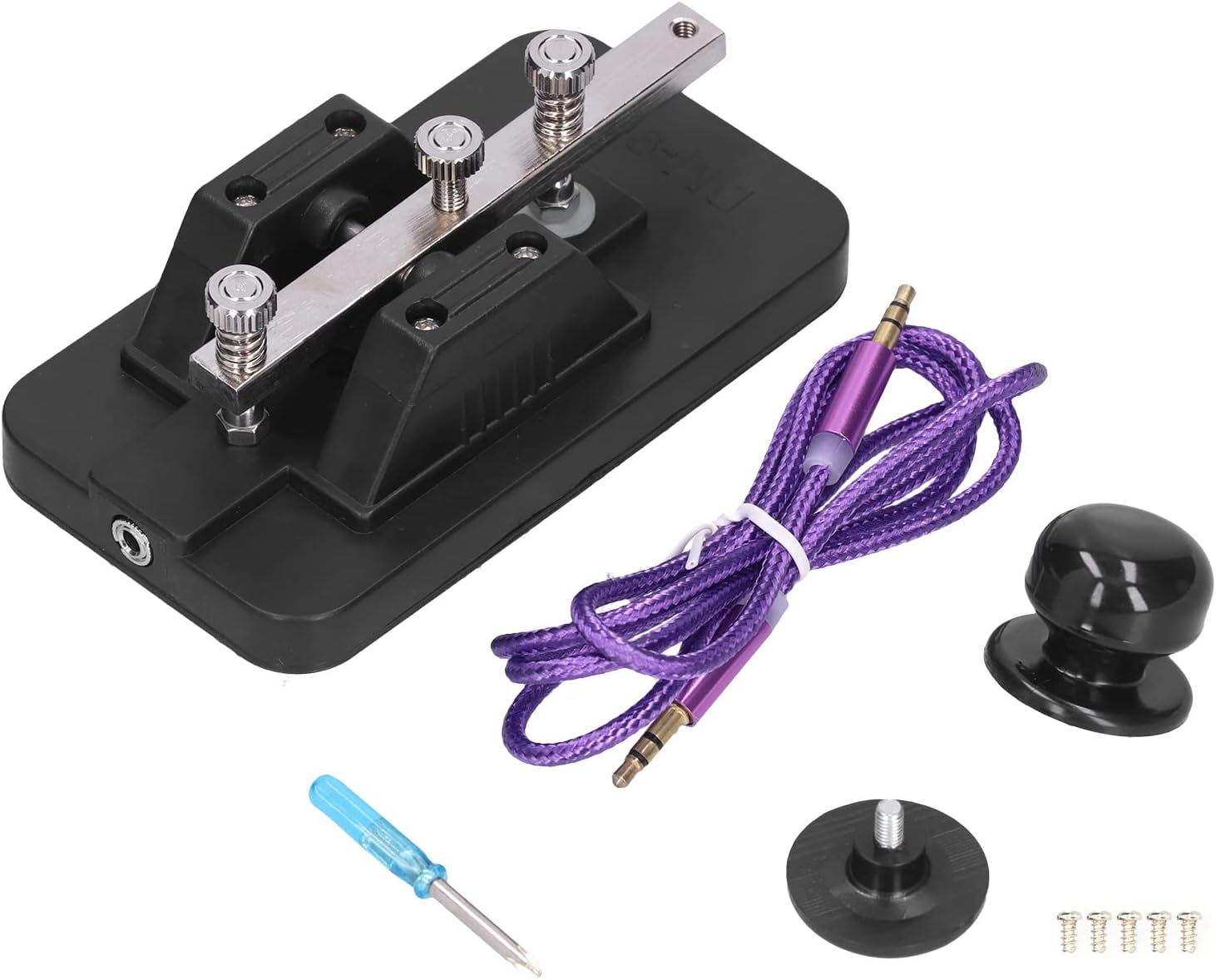
A buzz trainer improves one of the hardest beginner skills: timing control. This Morse code buzz trainer kit can help you train rhythm through repeated, audible practice sessions.
For beginners, the biggest advantage is consistency: you hear your own dits, dahs, and spacing immediately, then correct mistakes before they become habits. That makes each short drill more productive.
Disclosure: This post includes an affiliate link. If you buy through the link, the site may earn a commission at no extra cost to you.
Buzz trainer kit photos
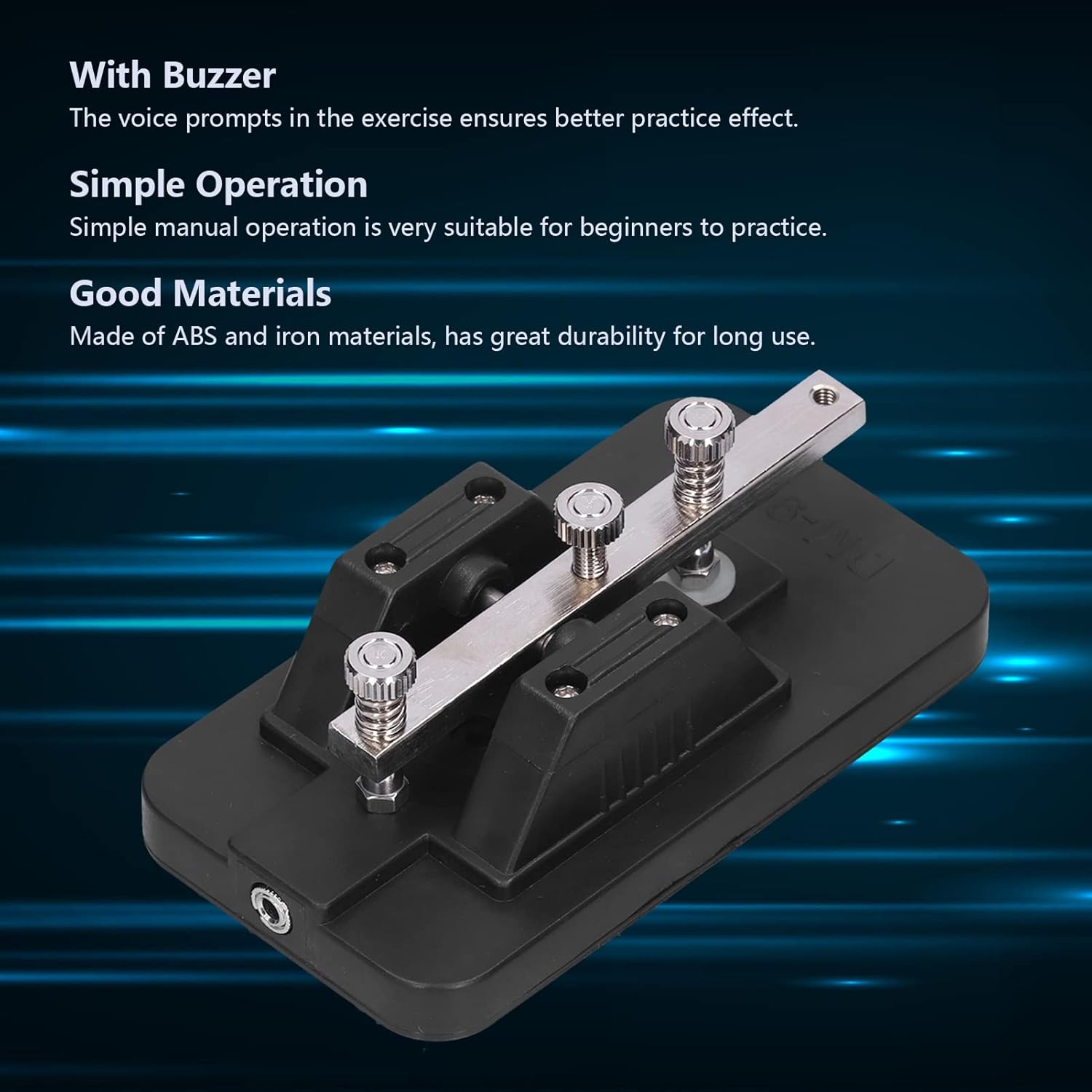
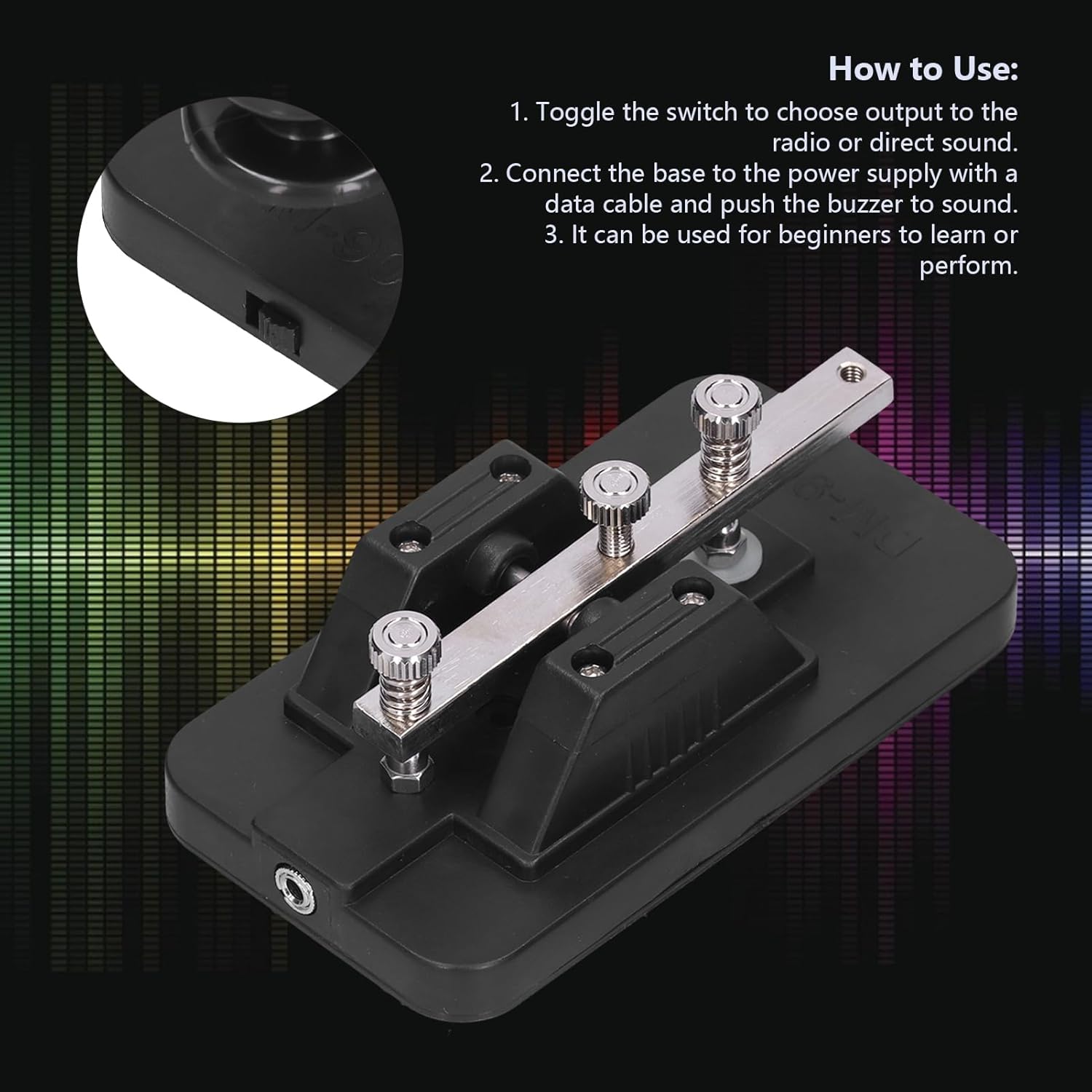
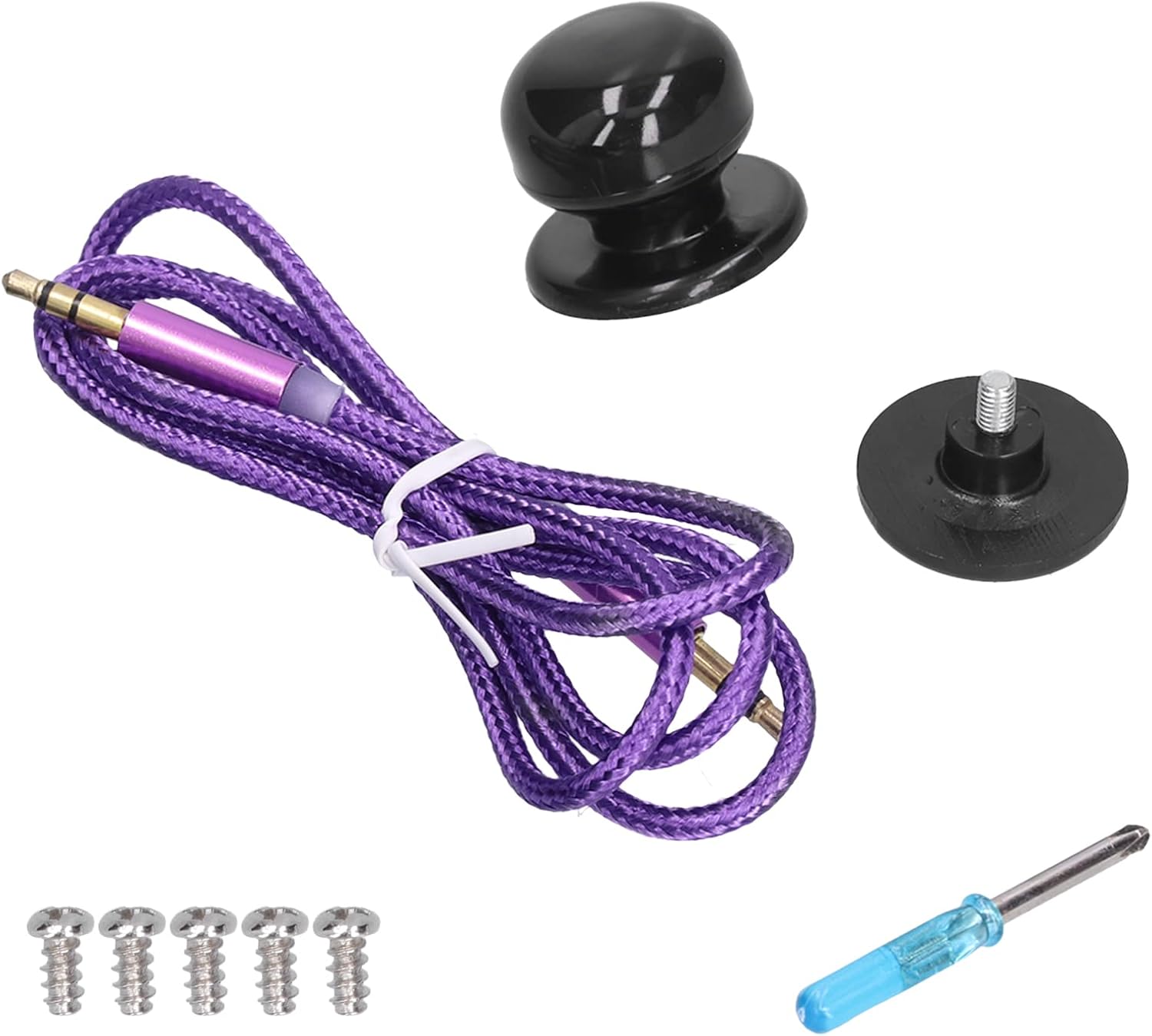
Why buzz trainer practice works
A buzz trainer gives instant audible feedback, which is useful when you're learning under pressure or preparing for emergency signaling. You can detect rushed characters, uneven spacing, and weak timing patterns right away.
It also helps with confidence. If you can produce steady rhythm on a simple buzzer, you'll be more likely to send clear messages with a flashlight, radio key, or improvised signal method when conditions are noisy or stressful.
How to train with a buzzer
- Send one letter family repeatedly (E, T, A, N) for one timed round.
- Switch to similar letters where errors happen (S, H, V) and slow down slightly.
- Record and compare rhythm to expected timing instead of only counting speed.
- Finish each session with a practical phrase like SOS, HELP, or SAFE.
How to get better results
Keep sessions short and frequent: 10-15 focused minutes beats one long weekly session. Track one metric each day (accuracy or smoothness), then increase speed only after your spacing stays consistent for multiple sessions.
If you want a physical trainer for repeatable drills, the same buzz trainer kit here is the one referenced in this post.
Combine with site tools
After each buzz session, validate messages in the translator, review symbols on letters, and add numeric groups from numbers.
Related posts
Use this with the mistake-fixing checklist and the letters-and-numbers study guide.