The Morse Code Practice Trainer That Makes Learning Actually Fun
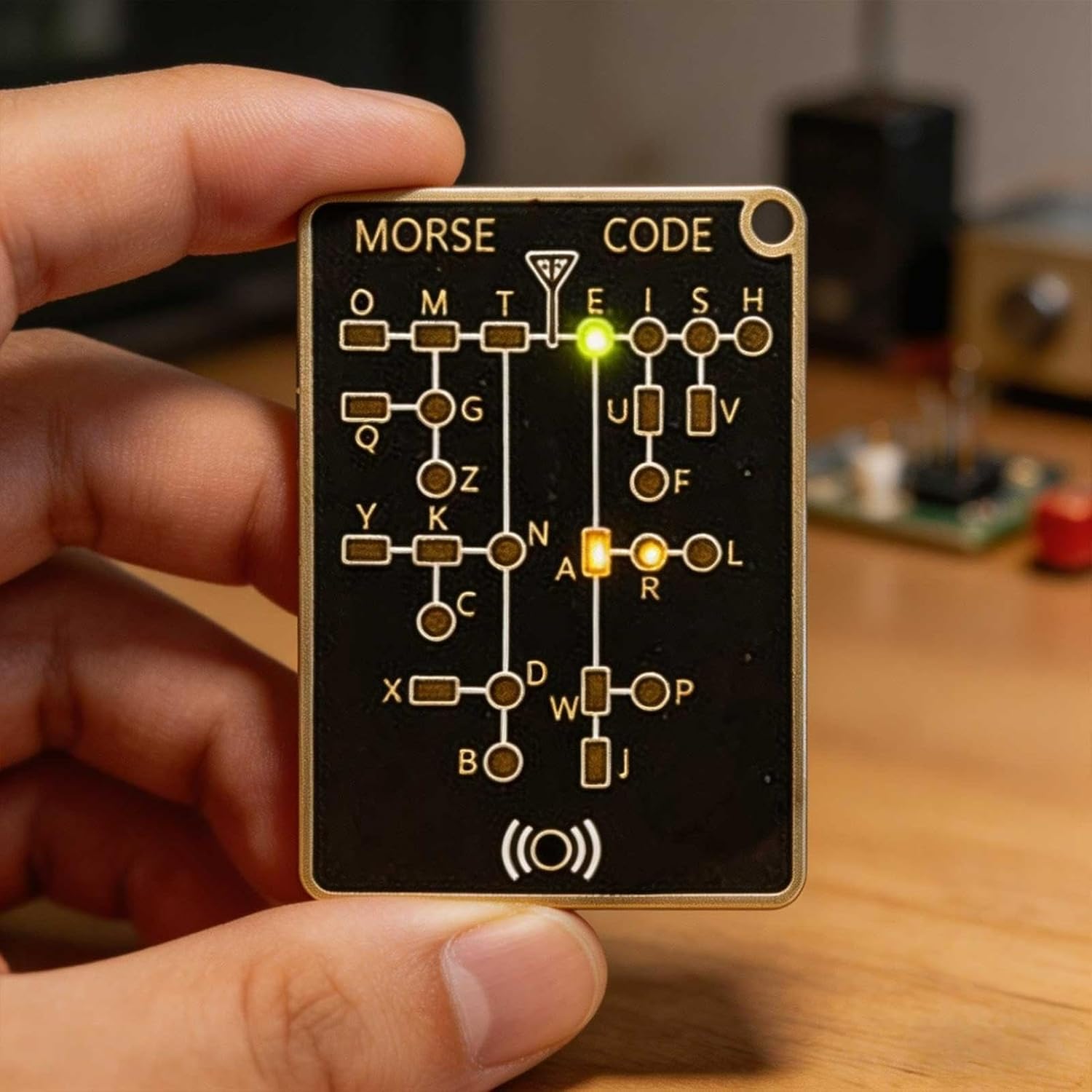
There is a reason Morse code has survived every technological revolution of the last 180 years. Dots and dashes cut through noise, cross language barriers, and work when nothing else does. The challenge has always been learning it — and that is exactly where this compact Morse code practice trainer changes everything.
Whether you are a radio hobbyist chasing your first ham license, a student who wants a genuinely useful skill, or someone who takes emergency preparedness seriously, this all-in-one learning gadget combines classic signaling with modern features for a hands-on experience you can start the moment it arrives.
Disclosure: This post includes an affiliate link. If you buy through the link, the site may earn a commission at no extra cost to you.
Why Morse code is still worth learning in 2026
People underestimate how practical Morse code is until the moment they need it. Grid-down scenarios, backcountry emergencies, radio license exams, military and aviation history — the dots and dashes keep showing up everywhere. More than that, learning Morse code sharpens your listening skills, improves memory encoding, and gives you a communication method that requires zero power infrastructure to receive.
The single biggest barrier to learning it? Repetition without feedback. Most beginners read the chart, tap their desk a few times, and then quit because they cannot tell if they are actually improving. A dedicated trainer solves this instantly.
About this Morse code trainer
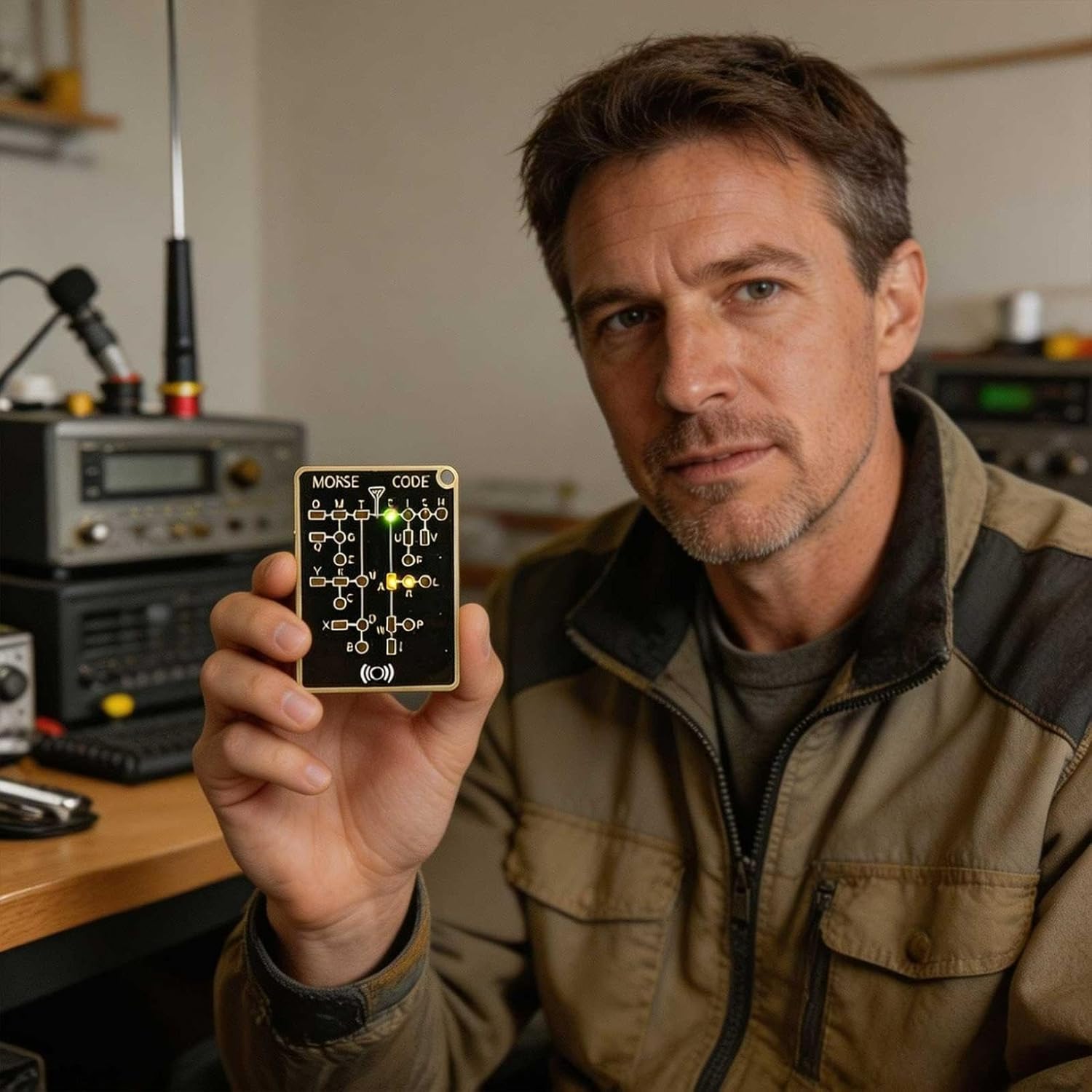
Learn Morse code in a fun and interactive way with this compact, all-in-one learning gadget. Built for hobbyists, students, and radio enthusiasts alike, it combines classic signaling with modern technology for a hands-on learning experience you will actually stick with.
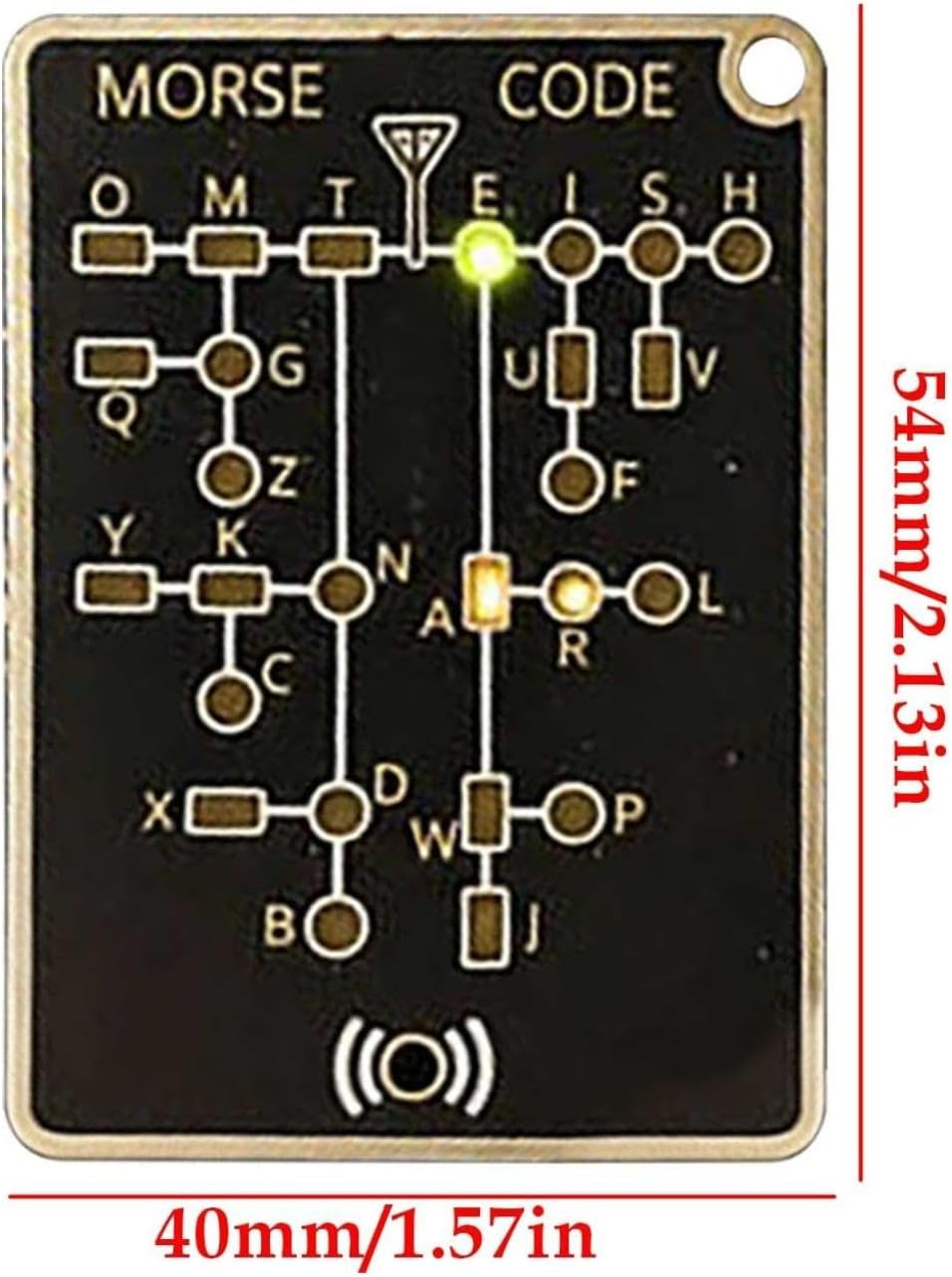
No complicated setup required — this pre-assembled trainer is ready to use right out of the box. The front features a clear alphabet reference chart with gold-plated contacts and a durable finish built for long-term use and everyday style.
Key features at a glance
- LED Signal Mode: Watch your message translate into a glowing light signal in real time — a powerful way to visualize the rhythm of each character as you send it.
- Tone Control: Classic beep feedback with the option to turn it off completely for silent practice — perfect for late-night sessions or shared spaces.
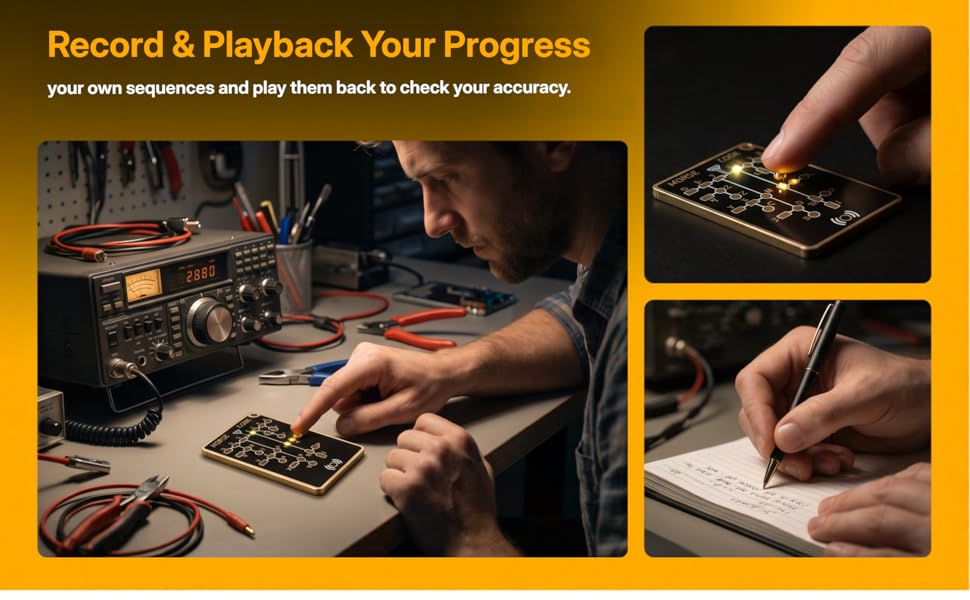
- Record & Playback: Record your own sequences and play them back to check accuracy. Hearing yourself is the fastest way to catch timing errors before they become habits.
- Built-in Alphabet Chart: Every character is right in front of you, so you spend time practicing instead of hunting for a reference sheet.
- Ready to Use: No assembly, no soldering, no fumbling with components — plug in and start tapping.
See it in action
Watch the trainer demonstrate LED signal output, tone feedback, and the record-and-playback workflow in real practice conditions:
Who this trainer is built for
This tool is ideal for three types of learners:
- Ham radio students preparing for license exams who need real sending practice, not just chart memorization.
- Emergency preparedness enthusiasts who want a low-tech communication fallback that works without batteries, apps, or cell service.
- Curious beginners who tried to learn from a chart alone and stalled — the immediate audio and visual feedback breaks that wall down fast.
How to pair this trainer with Morse-Code-Tool.com
The trainer builds your sending muscle memory. This site handles everything else. Here is the workflow that gets results fastest:
- Start your session by reviewing a letter group on the letters chart — pick five to eight characters to focus on.
- Send each character on the trainer and use LED or tone feedback to check your rhythm.
- After each drill, type what you sent into the live translator to verify your character accuracy.
- Add number groups from the numbers chart once letters feel comfortable — mixed drills accelerate fluency.
- Use the record-and-playback feature to capture a full sequence, then compare it against the translator output.
Ten focused minutes a day using this loop will move you from chart-staring to confident sending faster than any passive study method.
The case for physical practice tools
There is a difference between knowing the dots and dashes and being able to produce them under any condition. Digital apps are useful for recognition drills, but they cannot replicate the physical act of keying a signal. Muscle memory matters for Morse. A trainer like this one makes the practice tactile, repeatable, and satisfying in a way that screen-tapping simply is not.
Radio operators have known this for generations. The hands and ears learn together, and once that connection is made, the code stays with you. That is the real value of a physical tool.
If you are ready to go from studying to sending, check the current listing for this Morse code trainer and see if it fits your setup.
Related reading
Build your full practice routine with the 30-day beginner schedule, sharpen your accuracy with the common mistakes guide, and explore more gear picks like the buzz trainer review.